

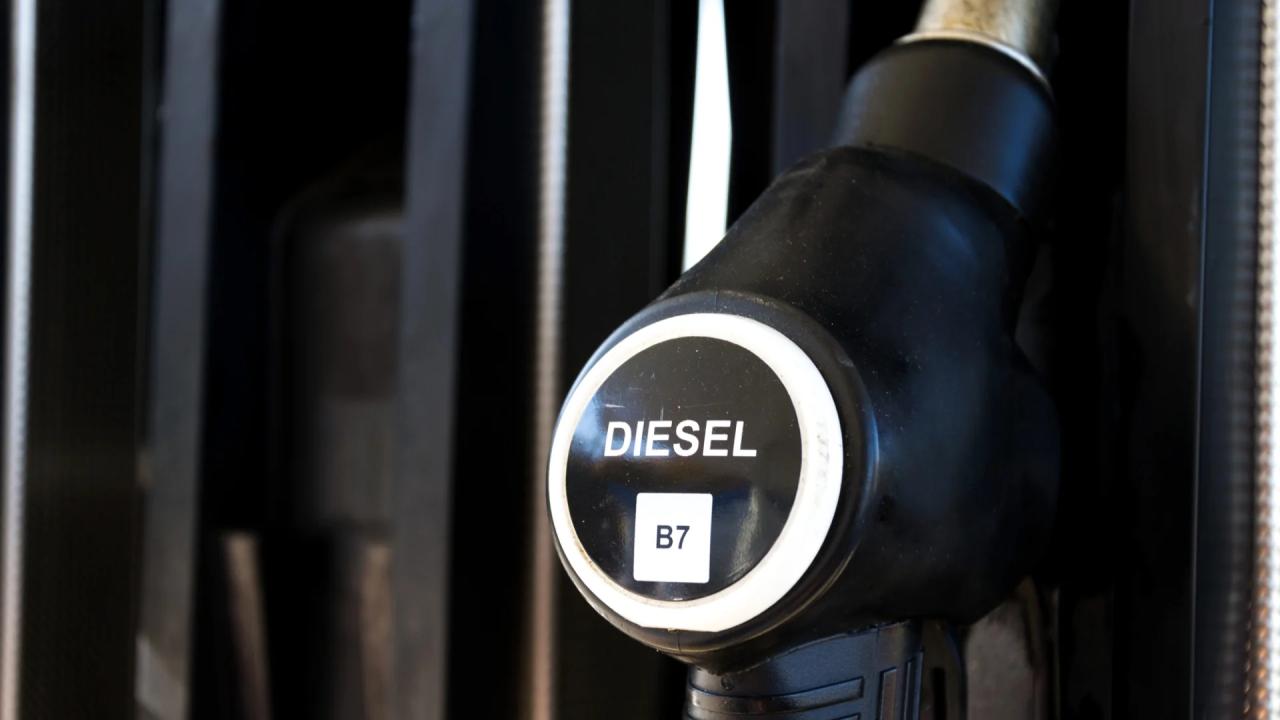
If you drive diesel, you have probably noticed it. Petrol prices fall on the forecourt, oil prices drop in the news, and your diesel pump price barely moves.
The explanation is not simple, and it is not entirely the retailers’ fault, although that is part of it. Several structural features of the diesel market mean its price responds differently to falling wholesale costs than petrol does.
Understanding those features will not lower the price, but it should help you decide when and where to fill up.
Key takeaways
- Diesel and petrol are different products from a refinery perspective, produced in different proportions from a barrel of crude. When global diesel demand is high, the price responds independently of crude oil movements.
- Haulage, shipping, and heating oil all compete for the same middle distillate stream that diesel comes from. This demand pressure is separate from what drives petrol prices.
- The UK imports a significant share of its diesel, adding procurement and logistics costs that domestic refining does not face in the same way.
- Retailer margin behaviour, prices rising faster than they fall, has been documented by the CMA. This applies to both fuels but compounds the structural diesel lag.
- The most practical response for a diesel driver is not to wait for prices to fall, but to find the cheapest available price now. The gap between the cheapest and most expensive forecourts locally is often larger than typical weekly price movements.
Why diesel and petrol do not come from the same place — even when they come from the same barrel
Crude oil is refined into multiple products simultaneously: petrol, diesel, jet fuel, heating oil, and heavier products like bitumen. The refinery does not produce equal quantities of each. Diesel sits in the “middle distillate” fraction of the barrel, alongside heating oil and jet fuel. These products compete for the same refinery output. The proportion of diesel a refinery can produce from a given barrel is adjustable within limits, using secondary processes like hydrocracking, but the adjustment takes time and investment, and not all refineries can do it equally.
This matters because when global demand for middle distillates is high, from trucking fleets, container shipping, and winter heating, the wholesale price of diesel rises independently of what is happening to crude oil. When crude falls, diesel may not fall in proportion if demand for middle distillates remains elevated. Petrol, drawn from a lighter fraction of the barrel with a different demand profile, responds more directly to crude price movements. That is the fundamental reason the two fuels behave differently at the pump. Check the fuel price map to see how prices are moving in your area right now.
Who else is buying diesel — and why that matters to you
The UK’s diesel market is not just car drivers. Road haulage, every lorry, delivery van, and heavy goods vehicle on the motorway network, runs on diesel. So does most rail traction outside electrified routes. Agricultural diesel and off-road industrial use draw on the same supply pool, even if taxed differently. The commercial fleet does not stop buying when prices rise. Deliveries still need to move. That creates a demand floor under diesel that petrol does not have.
Heating oil adds a seasonal layer. Kerosene and gas oil, used to heat homes in areas off the gas grid, draw from overlapping refinery output. In winter, when heating demand rises, competition for middle distillates tightens. This is one reason the petrol-diesel gap can widen in colder months. It is not coincidence; it reflects demand from a different sector pulling on the same supply.
The practical implication: when oil prices fall on the news and drivers expect pump prices to follow quickly, they are implicitly assuming that diesel demand follows the same pattern as crude. It does not. The demand base for diesel is broader, stickier, and more internationally connected than for petrol.
The UK’s import position — and how it changed
The UK refines some of its own diesel but imports a significant proportion. This import dependency means UK diesel prices are influenced by the global wholesale market for middle distillates, not just domestic production costs.
Before 2022, the UK imported a notable share of diesel from Russia. Following the sanctions introduced after the invasion of Ukraine, that supply was replaced from other sources, the US, the Middle East, and elsewhere, at different logistics costs and with greater supply chain complexity. This shift is a documented structural change in UK diesel procurement that added cost. It is a real factor in why UK diesel pricing felt elevated in 2022 and 2023 relative to historical patterns.
The picture continues to evolve as supply chains adjust and new trade relationships settle. The relevant point for drivers is that UK diesel prices are set in a global market, not a domestic one, and a fall in North Sea crude does not automatically translate into a proportional fall at the pump.
The fixed costs between wholesale and pump
Between the wholesale price and what you pay at the pump sits a chain of distribution costs: pipeline or tanker transport, storage at terminals, delivery to forecourts by road tanker. These costs do not fall when wholesale prices fall. They are fixed or semi-fixed, and they represent a floor beneath the pump price that does not move with the market.
Fuel duty and VAT sit on top. Duty is a fixed amount per litre, the same regardless of the wholesale price. VAT is charged as a percentage of the total including duty. When wholesale prices fall, duty and VAT do not, so the proportional fall in the pump price is always smaller than the fall in the wholesale cost. A 10 per cent drop in the wholesale price of diesel does not produce a 10 per cent drop at the pump. It never can, structurally. See what makes up the price of a litre for the full breakdown.
Where retailer behaviour fits in — and what the CMA found
The Competition and Markets Authority has investigated fuel retail pricing in the UK and published findings on what it calls asymmetric pricing: pump prices tend to rise more quickly when wholesale costs increase than they fall when wholesale costs decrease. This pattern, sometimes described as “rocket and feather” pricing, is documented across the fuel retail market.
The behaviour applies to both petrol and diesel, but it compounds the structural factors that already cause diesel to lag. When wholesale diesel costs drop, the structural lag from global demand and import costs means the wholesale price falls slowly. The retailer margin behaviour then adds a second layer of delay before the benefit reaches the pump.
The CMA has noted that price transparency, through initiatives like the Fuel Finder data scheme, which publishes forecourt-level pricing, is intended to help consumers find cheaper prices and introduce competitive pressure. In practice, that means checking prices before you fill up is not just a convenience; it is one of the few levers consumers actually have.
What this means practically for diesel drivers
Waiting for prices to fall before filling up is not a reliable strategy. The structural and margin factors that cause diesel to lag mean the fall, when it comes, is often smaller and slower than the wholesale movement suggests it should be. Timing the market at the pump is not a game most drivers can win.
The most immediate lever is price comparison at the point of fill. The spread between the cheapest and most expensive forecourts in most UK towns is typically larger than the weekly movement in average prices. Finding the cheapest local forecourt today is often more valuable than waiting for next week’s average to drop. Checking current prices before you fill up is usually the more practical move.
If filling up near a motorway is avoidable, avoid it. Motorway services consistently charge a significant premium on both fuels. For drivers who pass a town forecourt on the way to the motorway, the detour is often effectively zero because the cheaper option is already on the route.
As an illustration: a van with a 70-litre tank filling at a forecourt charging 5p per litre more than the cheapest local alternative pays £3.50 more per fill. Over 50 fills in a year, that is £175, before any movement in the average price level.
Illustrative: the actual saving depends on local price variation and fill frequency. Check current prices for your area.
Misconceptions about diesel prices
“Oil companies are simply pocketing the difference when wholesale prices fall”
Retailer margin behaviour is documented and real; the CMA has found evidence of asymmetric pricing. But the primary structural reason diesel lags is the global middle-distillate market, the UK’s import position, and demand competition from haulage and heating. Both things can be true at the same time. Margin behaviour is one layer on top of a more fundamental supply-and-demand picture.
“Diesel will always be more expensive than petrol”
Historically in the UK, diesel has traded at a premium at the pump. For a period following the 2022 energy crisis, the premium was unusually wide. The historical relationship has varied and is not fixed. What is more persistent is the asymmetric fall behaviour, the tendency for diesel to come down more slowly, rather than any specific price gap.
“The government could fix this quickly if it wanted to”
Fuel duty is set by HM Treasury and is fixed per litre regardless of wholesale prices. Reducing duty would reduce pump prices across the board, but the Treasury receives that revenue. The refinery and market structure factors are global and are not within the UK government’s direct control. A government can influence transparency and competition, through the CMA and the Fuel Finder scheme, but cannot legislate the global middle distillate market.
“Supermarket forecourts always have the cheapest diesel”
Supermarkets are often among the cheapest in a given area, but not always and not everywhere. Independent forecourts and hypermarket-adjacent stations occasionally undercut them. Use a price comparison tool rather than assuming; the cheapest station in your area may not be the one you expect.
Keep reading
Why Rural Petrol Costs More and the Tactics That Help Close the Gap
If your nearest forecourt is also your only forecourt, you already know the price is higher. What is less obvious is why.
What Is a Good Petrol Price in the UK?
A good petrol price is one that is competitive for your area and station type, not just low against a national headline average. A price that looks expensive in a competitive super...
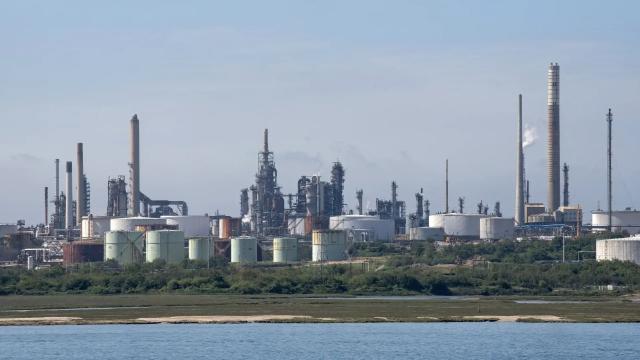
How Petrol Is Made: What Actually Happens Between the Oil Well and the Forecourt Pump
Petrol does not come out of the ground ready to use. Crude oil is a mixture of hydrocarbons that must be separated, chemically upgraded, and precisely blended before it becomes the…

PetrolSavings Editorial
Editorial Team
Explore fuel savings tools
Use calculators and local price searches to plan smarter journeys.
We check for new prices every 5 minutes. Every price shows when it last changed, so check that before comparing deals.