

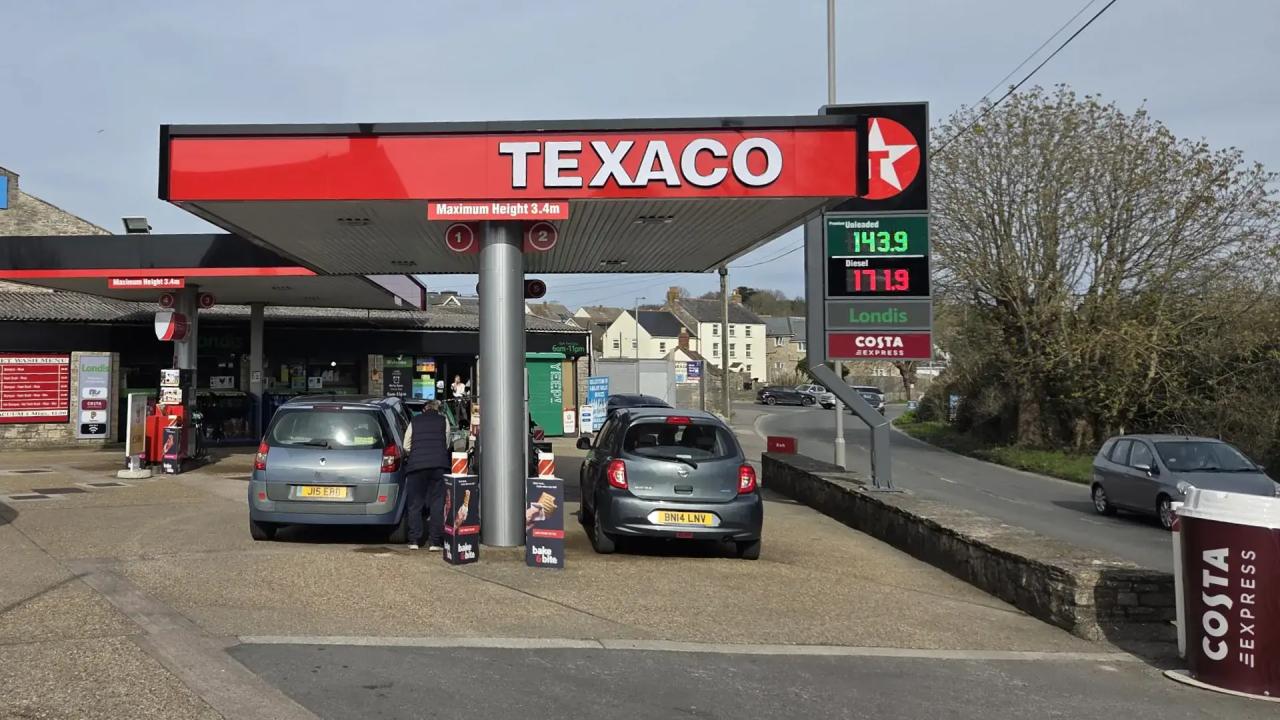
An empty forecourt is an inconvenience, not an emergency, unless your tank is already very low. Most localised fuel disruptions in the UK resolve within hours or a few days, and the stations that run dry first are almost never the only ones in the area.
Before joining the nearest queue by reflex, it is worth spending two minutes working out how much range you actually have, whether you need to act now, and where fuel is most likely to be available.
Key takeaways
- Most localised fuel disruptions affect a small number of stations and resolve within hours to a few days. They are logistics events, not supply crises.
- The first step is not to fill up, it is to assess how much range you have and whether you need to act urgently. Many drivers who join a queue do not actually need fuel that day.
- Real-time fuel availability data exists and is accessible via several free tools. Use them before driving anywhere.
- Panic buying does not protect individual drivers, it deepens and extends the disruption by pulling demand forward from people who had no immediate need.
- If you store a small emergency reserve at home, there are legal limits and safety requirements. Not all living situations are suitable.
What is actually happening — and what is probably not
Petrol stations hold a limited amount of fuel on site, typically in underground tanks replenished by tanker delivery on a regular schedule. When a delivery is delayed or demand spikes unexpectedly, a station can run dry before the next tanker arrives. This is a routine occurrence in the UK fuel supply chain. Individual stations run dry briefly several times a year in normal conditions.
The situations that cause wider, longer disruptions are different in kind: industrial action affecting fuel distribution, severe weather disrupting road access, or genuine supply chain crises. The UK has had very few of the latter. The 2021 HGV driver shortage is the clearest recent example, and even then, the initial logistics pressure was manageable. The widespread station closures were largely the result of precautionary demand. The news coverage of the shortage created a shortage where one did not yet exist at most locations.
The calibration: if one or two local stations are out, this is almost certainly routine. If multiple stations across a wider area are simultaneously dry and national news is reporting it, the situation may warrant earlier action, but the response remains the same. Check your range, find the nearest confirmed available station, do not fill beyond what you need.
Step one — assess your actual situation before you do anything
How much range do you have? Most fuel gauge warnings illuminate at roughly 50 to 60 miles of remaining range. If you have 100 miles of range and your daily driving is 15 miles, you have several days before this is urgent. If you have under 30 miles and need to travel tomorrow, you need to act today.
What are your essential journeys in the next 48 hours? Work out the mileage. This tells you whether you need to find fuel now, whether you can wait until tomorrow when a disruption may have resolved, or whether you have enough to sit it out entirely.
A quick decision guide:
Your situation | Suggested response |
|---|---|
More than 100 miles range, non-essential use | No immediate action needed. Monitor and check again tomorrow. |
50–100 miles range, normal daily use | Use the fuel finder to locate available stations. Fill up within a day or two if convenient, no need to queue. |
Under 50 miles range, need the car tomorrow | Act today. Use the fuel finder, go directly to a confirmed available station. Fill normally. |
Under 30 miles range, essential journey imminent | Genuine urgency. Use the fuel finder, call ahead if possible, go directly. Do not drive speculatively. |
Are you in a position where running out would be particularly harmful, a carer, someone in a rural area with no transport alternatives, someone using the car for work? These are legitimate reasons to prioritise finding fuel earlier. Most drivers in urban and suburban areas have more time and more options than they realise in the moment.
How to check fuel availability before you drive
Check which stations near you have fuel available, PetrolSavings pulls real-time availability data from the government’s Fuel Finder scheme, updated frequently. This is the fastest way to find an available station nearby and see current prices at the same time.
The GOV.UK Fuel Finder data scheme requires major fuel retailers to share live forecourt data, including availability. This data feeds several third-party tools including PetrolSavings. If one tool shows limited data, try another.
Waze and Google Maps show user-reported disruptions in real time. Waze in particular flags forecourt closures and reports from other drivers. Reliability varies, but it is a useful cross-reference. During localised disruptions, local Facebook groups and Nextdoor tend to share station status faster than any app.
If driving any meaningful distance to reach a station, a quick phone call to confirm they have fuel before leaving is worth the 30 seconds. Most stations will answer a simple availability question.
Supermarket forecourts, Tesco, Asda, Sainsbury’s, Morrisons, have larger underground tanks and higher throughput than smaller independents. They are restocked more frequently and may have availability when smaller sites are dry. This is directional, not guaranteed, but it is a reasonable place to check first.
Why panic buying makes it worse — the mechanism, not the lecture
The mechanism is straightforward: when news of a disruption spreads, drivers who have no immediate need to fill up do so as a precaution. This sudden spike in demand depletes the available supply at every station in the area, not just the ones that were already experiencing a delivery delay. Stations that would otherwise have had fuel for their normal customer base run dry because drivers with 200 miles of range filled their tanks.
The individual logic is rational in isolation: “I might need fuel, I might as well fill up.” The collective outcome is the opposite: everyone filling up unnecessarily depletes supply for the drivers who genuinely need it. The 2021 HGV driver shortage demonstrated this precisely. The initial logistics pressure was real but manageable. The public response to news coverage created the dry forecourts that the news was reporting on.
If you have adequate range for your next few days of driving, not filling up during a disruption is a direct contribution to the disruption resolving faster. That is a practical statement, not a moral one.
Practical alternatives if you cannot find fuel nearby
If the disruption is short-lived and your tank is not critically low, the simplest response may be to not use the car for a day or two. Public transport, cycling, or walking for short journeys preserves your remaining fuel for essential use. Car sharing with neighbours or colleagues who have fuel is worth considering for a short disruption.
If driving further to find fuel is necessary, confirm availability before leaving. Driving 20 miles on 25 miles of remaining range to a station you have not verified is a significant risk. Be aware that fuel consumption varies by route: a motorway run uses less fuel per mile than slow urban traffic. Plan accordingly.
Emergency fuel delivery services exist as a last resort. The RAC and AA both offer fuel delivery for members. Some independent services operate in urban areas. This is more expensive than filling at a station, but it is worth knowing about before you need it. If you run out on the road, call your breakdown provider before attempting anything else.
A note for EV drivers: you are not affected by petrol and diesel supply disruptions in the same way, but public charging infrastructure can be slow, unreliable, or congested during periods of unusually high demand. Disruption immunity is partial, not absolute.
Home fuel storage — what is legal and what is safe
Storing a small amount of fuel at home as an emergency reserve is legal in the UK within defined limits. The Petroleum (Consolidation) Regulations permit storage of up to 30 litres of petrol without a licence, in containers of no more than 10 litres each. Containers must be metal jerry cans or UN-approved plastic containers — check the label, as not all standard plastic fuel cans sold at service stations meet the approved specification. See the HSE guidance on petroleum storage for the full requirements.
Store fuel away from ignition sources, boilers, water heaters, electrical panels, in a ventilated outbuilding or garage where possible. Not inside the home. Home petrol storage is not suitable for all living situations. A driver in a first-floor flat with no external storage should not store petrol. This is stated plainly because it matters.
Diesel is different. It has a significantly higher flash point than petrol and is less flammable, so the storage safety requirements differ. The regulations treat it differently from petrol. If storing diesel, check the specific requirements separately rather than applying petrol storage advice.
Fuel degrades in storage. Petrol stored in a jerry can is typically usable for around 6 to 12 months with a fuel stabiliser additive; without stabiliser, closer to 3 to 6 months. Old fuel can cause running problems in a modern engine. Label stored fuel with the date it was purchased and rotate it before it degrades.
How local fuel disruptions usually resolve
Most localised UK fuel disruptions resolve within 24 to 72 hours as tanker deliveries are rescheduled and prioritised. Fuel suppliers have strong commercial incentives to restore supply as quickly as logistics allow. During a genuine wider disruption, central and local government may activate contingency arrangements including priority allocation to essential services. These measures are rarely needed but they exist.
The most reliable signal that a disruption is resolving: queue lengths at stations shortening, availability data on fuel finders updating positively, and local community channels reporting supply returning. These signals typically appear several hours before mainstream media confirms the situation is easing.
Common mistakes to avoid
Checklist
- Joining a queue without checking whether other nearby stations have availability
- Driving a significant distance on a low tank to reach a specific station without confirming it has fuel
- Filling multiple containers to store at home without meeting the legal and safety requirements
- Assuming the disruption is national or long-term based on one or two empty local stations
- Filling to the brim as a precaution when only a normal fill was needed, this is the individual action that collectively extends disruptions
- Sharing unverified social media posts about stations being out of fuel, these spread faster than they are corrected and accelerate demand spikes
Keep reading
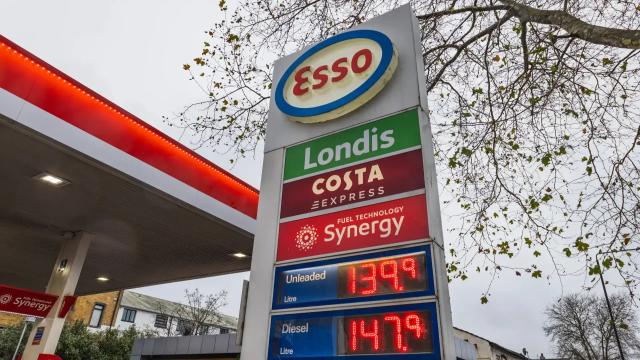
How to Read a Petrol Station Price Board: the Display Tricks That Make Fuel Look Cheaper Than It Is
A UK forecourt price board takes about five seconds to read correctly, but there are three things most drivers scan past that make that reading wrong more often than it should be.
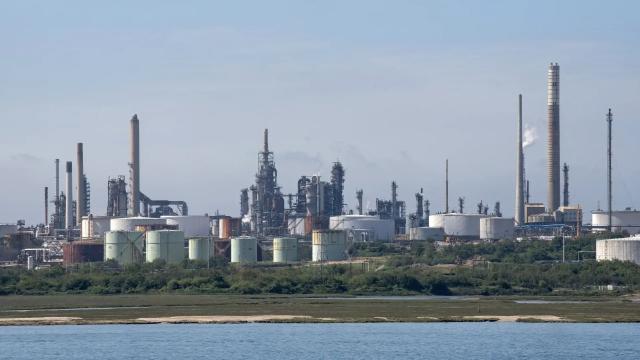
How Petrol Is Made: What Actually Happens Between the Oil Well and the Forecourt Pump
Petrol does not come out of the ground ready to use. Crude oil is a mixture of hydrocarbons that must be separated, chemically upgraded, and precisely blended before it becomes the…

Where Does UK Petrol Come From? The Supply Chain from Oil Field to Forecourt
The petrol at your forecourt comes from a combination of crude oil refined in the UK and refined product imported from overseas. Some of that crude is UK North Sea production, but...
PetrolSavings Editorial
Editorial Team
Explore fuel savings tools
Use calculators and local price searches to plan smarter journeys.
We check for new prices every 5 minutes. Every price shows when it last changed, so check that before comparing deals.