

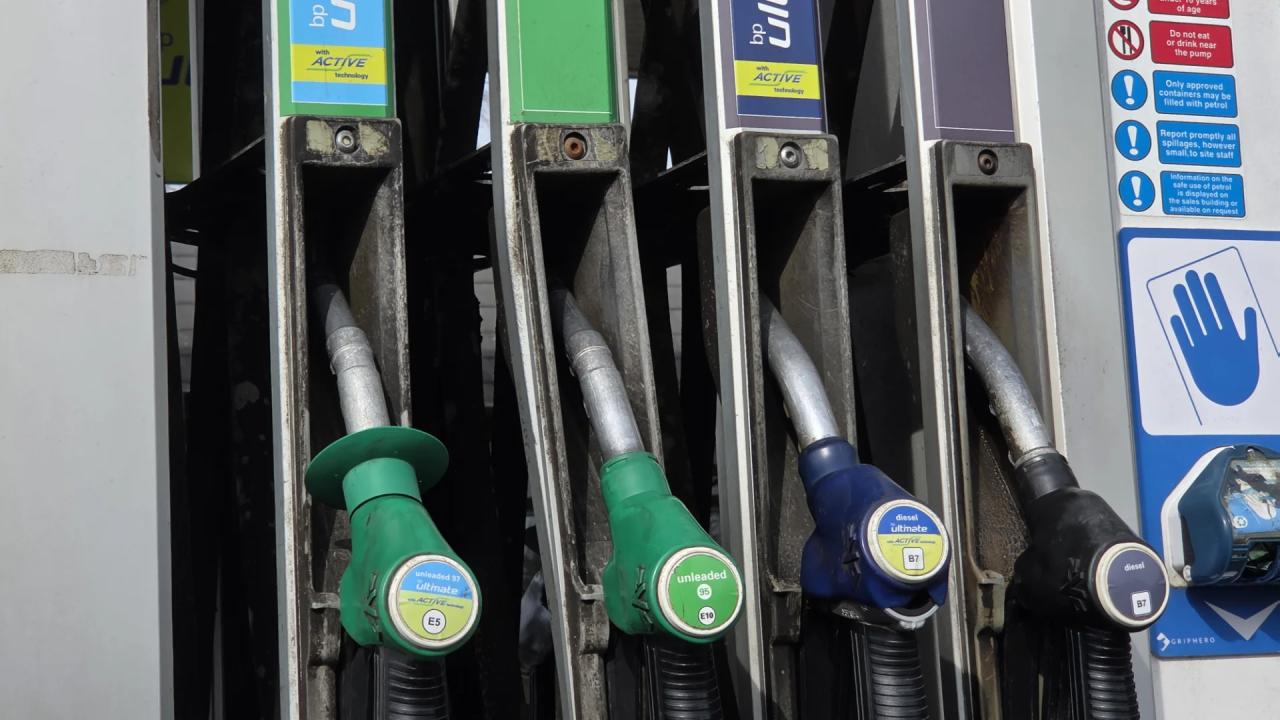
At most UK forecourts, premium diesel sits 5 to 12p per litre above the standard pump price. Over a 60-litre fill, that is £3 to £7 more every time.
The additive packages in premium diesel products are real and not entirely marketing fiction. But whether they deliver enough to justify the cost for your car, your mileage, and your driving pattern is a different question.
This article separates what premium diesel actually does from what the branding implies, and ends with a straightforward guide to who benefits and who is probably wasting money.
Key takeaways
- Standard B7 diesel meets BS EN 590, a defined, regulated specification that satisfies every legal and manufacturer requirement for modern diesel engines. It is not inferior fuel; it is the baseline.
- Premium diesel adds proprietary additive packages above that baseline: detergent additives for injector cleaning, cetane improvers, lubricity enhancers, and in some products, additives claimed to support DPF function.
- Independent evidence for measurable fuel economy improvement from premium diesel in modern post-2015 engines is limited. The cleaning benefit is most plausible for older engines with existing injector deposits.
- The price differential between the cheapest and most expensive standard diesel forecourts near most UK drivers is typically larger than the premium diesel markup. Finding cheaper standard diesel is a more reliable saving than switching fuel grade.
- The clearest legitimate use case is when the manufacturer handbook specifies a fuel quality above standard B7. Check yours before defaulting to either option.
What B7 diesel actually is — and what it is not
B7 diesel is diesel meeting the BS EN 590 standard, with a maximum 7% biodiesel (FAME) content. This has been the standard specification for pump diesel sold at UK forecourts since 2011. BS EN 590 specifies a minimum cetane number of 51 (a measure of ignition quality), a defined cold filter plugging point for cold weather performance, a lubricity specification to protect fuel pump and injector components, and a range of other technical parameters.
Every modern diesel vehicle sold in the UK, from a Ford Transit to a BMW 3 Series, is designed to run on B7 meeting this specification. The standard is not a minimum for adequate function; it is a full specification for normal operation. B7 is not cheap diesel or lower-quality diesel. It is the defined standard. Premium diesel adds to it; it does not substitute for a deficiency. Compare fuel brands to see how standard diesel prices differ between forecourts in your area.
What premium diesel actually adds — separating the real from the claimed
Detergent additives
The most substantiated component. Detergent additives clean fuel injectors of deposit build-up that occurs over time with any diesel fuel. Clean injectors produce a better spray pattern, which improves combustion efficiency. The benefit scales with the degree of existing fouling. On a new engine with clean injectors, there is little to clean and the benefit is minimal. On an engine with moderately fouled injectors, typically after high mileage or years on standard diesel, the cleaning benefit may be measurable. On an engine with severely fouled injectors, premium diesel alone is unlikely to be sufficient; a dedicated injector cleaning service is more appropriate.
Cetane improvers
Cetane number measures diesel ignition quality. BS EN 590 specifies a minimum of 51. Premium diesel products often claim cetane values of 55–58. Higher cetane can reduce combustion noise, improve cold-start performance, and marginally improve combustion efficiency. The practical difference between cetane 51 and 56 in a modern engine with electronic injection management is smaller than it was in older mechanically injected engines.
Lubricity improvers
Lubricity additives protect fuel pump and injector components from wear. BS EN 590 already includes a lubricity specification; premium products may exceed it. In modern common rail injection systems operating at very high pressures, lubricity is a genuine long-term consideration. Any benefit over B7 levels accumulates over very high mileage rather than being detectable on a single fill.
DPF-related additives
Some premium products claim additives that reduce particulate output or support DPF function. The theoretical basis is plausible, cleaner combustion produces fewer soot particles. However, the primary cause of DPF problems in short-trip diesel drivers is insufficient regeneration temperature, not the rate of soot accumulation per litre. Premium diesel is not a substitute for adequate driving conditions for DPF regeneration.
Corrosion inhibitors
Most premium formulations include corrosion inhibitors and fuel stability additives. In a vehicle used regularly, the benefit is marginal. In a vehicle used infrequently or stored seasonally, fuel stability has more practical relevance.
The evidence gap — what independent testing actually shows
Independent testing of premium diesel benefits in modern vehicles is limited, and the results are mixed. The clearest evidence relates to injector cleaning in engines with existing fouling. Most studies use controlled engine testing rather than current production vehicles in normal day-to-day use.
For modern post-2015 diesel engines with electronic injection management and tight manufacturing tolerances, the measurable benefit from premium diesel additives in a clean, well-maintained engine is not clearly established by independent evidence. The published independent literature is much stronger on deposit formation, fouling effects, and injector cleanliness than on consistent real-world gains in already-clean modern passenger vehicles.
Fuel company research is not independent evidence. When Shell, BP, or Esso publish performance figures for V-Power, Ultimate, or Synergy, those figures are conducted or commissioned by the companies selling the product. They may be accurate, but they are not the same as independent peer-reviewed testing. It is also worth noting that all UK road diesel must already meet a common legal and technical baseline.
The price differential — what the premium actually costs you annually
The following uses illustrative figures. Current differentials vary by location and station type. Check prices at time of purchase.
Scenario | Weekly premium | Annual premium |
|---|---|---|
5p/litre differential, 50-litre fill | £2.50 | £130 |
8p/litre differential, 60-litre fill | £4.80 | £250 |
12p/litre differential, 70-litre fill (van) | £8.40 | £437 |
For the premium to pay back on fuel economy alone, the mpg improvement would need to offset that annual spend. At 12,000 miles per year and an average of 45mpg, a car uses roughly 591 litres of fuel annually. A 1% mpg improvement saves approximately 5.9 litres, worth roughly £8–£10 at current diesel prices. A 1% improvement does not come close to covering the premium at weekly fills. The improvement would need to be in the range of 5–8% sustained over all fuelling to break even at the higher differentials. That level of improvement is not independently established for modern vehicles.
Here is the practical insight most premium-diesel articles miss: the difference between the cheapest and most expensive standard-diesel forecourts within a few miles of most UK drivers is often larger than the premium-diesel markup. A driver paying 8p per litre extra for premium at their usual station, when standard diesel is available 6p per litre cheaper at a nearby forecourt, is spending more for no established benefit. The forecourt price difference is the saving that most reliably shows up in your budget.
The manufacturer handbook check — the one legitimate use case nobody mentions
Some diesel vehicle manufacturers specify a fuel quality above standard B7 in the owner’s handbook. This applies to certain performance diesels, some older engines sensitive to cetane quality, and some vehicles with particularly high-pressure injection systems where lubricity above the BS EN 590 minimum is recommended.
If your handbook specifies a minimum cetane number above 51, or recommends a specific additive package, premium diesel is appropriate on manufacturer grounds, independently of whether the mpg case stacks up. The warranty and manufacturer recommendation argument is legitimate. If the handbook says nothing specific about fuel grade beyond “diesel meeting BS EN 590”, the manufacturer is satisfied with standard B7.
Myths about premium diesel
“Premium diesel is higher-octane and therefore more powerful”
Octane is a petrol measurement. Diesel uses cetane as its ignition quality measure. A higher cetane number can contribute to smoother combustion, but it is not equivalent to the power boost that high-octane petrol provides to a performance petrol engine. The analogy does not transfer.
“Standard B7 diesel damages engines over time”
B7 diesel meeting BS EN 590 meets the specification every UK diesel engine is designed and warranted for. Sustained use of standard diesel does not cause accelerated engine damage in a well-maintained vehicle used according to the manufacturer’s service schedule.
“Premium diesel pays for itself in mpg improvement”
The arithmetic shows that the annual premium cost significantly exceeds the fuel saving from realistic mpg improvements for most drivers in most vehicles. The payback case is not independently established for modern diesel engines.
“All premium diesel products are equivalent”
They are not. Shell V-Power, BP Ultimate, and supermarket own-label “premium” products use different additive packages in different concentrations. Grouping them as a single category overstates the uniformity of the product.
“If premium diesel cleans injectors, more is always better”
On an engine with clean injectors, detergent additives have nothing meaningful to clean. The benefit is proportional to the degree of existing fouling, not to the quantity of premium diesel consumed.
“Premium diesel solves DPF problems”
DPF blockage is primarily a consequence of insufficient regeneration, the engine not reaching operating temperature for long enough to burn off accumulated soot. Premium diesel does not provide the sustained high-temperature conditions required for regeneration. It may marginally reduce the rate of soot accumulation, but it is not a treatment for a DPF that is not regenerating properly.
Comparison at a glance
Based on general characteristics for a modern post-2015 diesel car in typical UK use. Individual results vary by engine age, maintenance history, driving pattern, and premium diesel product. Cost figures are illustrative.
Factor | Standard B7 diesel | Premium diesel |
|---|---|---|
Meets BS EN 590 | Yes | Yes — plus additives above baseline |
Economy (modern clean engine) | Baseline | Marginal improvement — not independently established |
Economy (older engine, suspected deposits) | Baseline | Small measurable improvement plausible after sustained use |
Injector cleaning | No specific additive | Yes — benefit scales with existing deposit level |
Cetane quality | Minimum 51 (BS EN 590) | Typically 55–58 — smoother combustion, better cold start |
DPF support | None specific | Claimed — limited independent evidence |
Price premium per litre | Baseline | Typically 5–12p more at same station |
Annual cost premium (60L weekly fill) | Baseline | ~£156–£375 more |
Best for | Most modern diesel drivers | Older/high-mileage engines; manufacturer specifies above B7; high-mileage commercial use |
Best for — by driver type
Modern diesel, post-2015, standard mileage, well-maintained: Standard B7 from the cheapest nearby forecourt. The independently established benefit of premium diesel for a clean, modern engine is marginal and does not cover the annual price premium at typical fill volumes.
Older diesel, pre-2015, higher mileage, unknown injector history: Premium diesel is worth a sustained trial of three to six months. Log your mpg and note cold-start quality and engine smoothness. If no change is detectable after that period, revert to standard B7 at the cheapest available price.
Manufacturer handbook specifies above standard B7: Use the fuel grade the handbook recommends. This is not a marginal decision, it is the manufacturer’s specification and may affect warranty validity.
Van or commercial operator at 30,000+ miles per year: The injector-cleaning and lubricity case is more plausible at high mileage, and the cost of an injector replacement may justify a modest per-litre premium as risk management. Run the arithmetic for your specific fleet before committing.
Driver trying to improve DPF performance: Premium diesel is not the solution. The fix for a DPF not regenerating properly is sustained higher-speed driving for 20–30 minutes at sufficient load, not a fuel additive. If the DPF warning light has appeared, see a specialist.
Keep reading
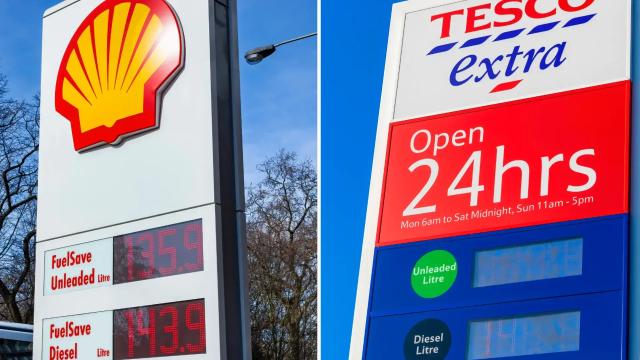
Supermarket Petrol vs Branded Stations: When the Price Gap Is Worth It and When It Isn’t
Supermarket forecourts are usually cheaper than branded stations. That part is straightforward.
Petrol or Diesel for Low Mileage? It’s Not Just About Fuel Price
The usual advice is that diesel makes financial sense if you drive enough miles. What that advice often leaves out is the other half of the calculation: a diesel engine’s…

How Petrol Is Made: What Actually Happens Between the Oil Well and the Forecourt Pump
Petrol does not come out of the ground ready to use. Crude oil is a mixture of hydrocarbons that must be separated, chemically upgraded, and precisely blended before it becomes the…

PetrolSavings Editorial
Editorial Team
Explore fuel savings tools
Use calculators and local price searches to plan smarter journeys.
We check for new prices every 5 minutes. Every price shows when it last changed, so check that before comparing deals.