

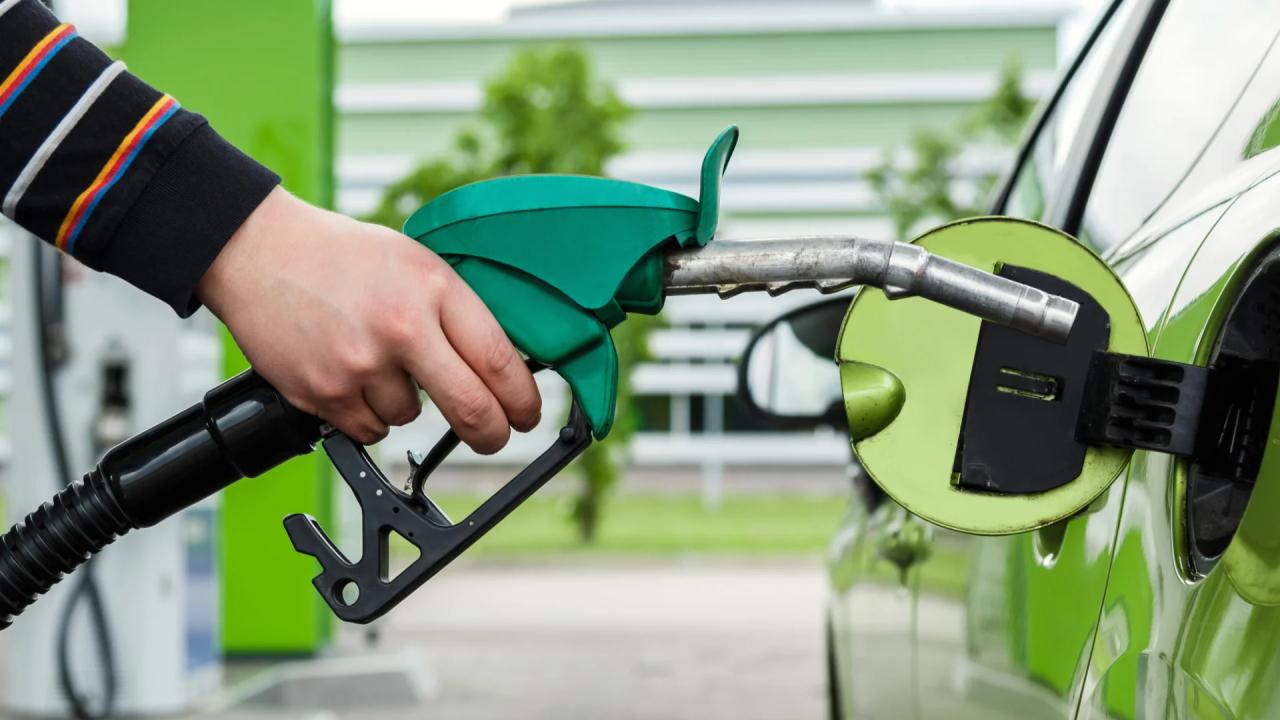
Stop. Do not start the engine. If the car has a keyless ignition system, keep the key fob well away and do not switch the ignition on; on some models, activating the car’s systems can begin circulating contaminated fuel. The single biggest factor in how this ends, the cost, the damage, everything, is whether the engine runs on the wrong fuel. This article covers what to do whether you noticed at the pump, after starting, or after driving.
The four things to do right now
- Do not start the engine. If it is running, switch it off immediately if it is safe to do so.
- Keep the key fob away from a keyless car and do not switch the ignition on. On some models, activating the car’s systems can begin priming or circulating contaminated fuel.
- Do not top up with the correct fuel. This does not fix the problem, and in a modern diesel it can make the situation worse.
- Keep the receipt. It confirms which fuel was dispensed, when, and where.
Key takeaways
- The most important action is not starting the engine or switching the ignition on. If contaminated fuel has not been circulated, a drain service can often resolve the situation without lasting damage.
- Petrol in a diesel is more serious than diesel in a petrol because diesel fuel systems rely on fuel for lubrication, and petrol removes that lubrication from the high-pressure pump.
- Topping up with the correct fuel and driving is not the right response for a modern diesel. A specialist drain is still needed.
- Standard UK breakdown cover does not automatically include misfuelling. It is often a separate paid service or optional extra, so check your policy before assuming.
- A small amount of contamination is not the same as a full tank of the wrong fuel. Severity and cost vary enormously depending on the amount involved and what happened next.
Why petrol in diesel is more serious than diesel in petrol
Before reaching for the phone, it helps to understand why the advice differs depending on which mistake you have made.
Petrol in a diesel car
Modern common-rail diesel engines use fuel not just for combustion but as a lubricant for the high-pressure fuel pump, which operates under extreme pressure. Petrol has no lubricating properties. When petrol enters a diesel system, the pump begins running without adequate lubrication. The longer the engine runs, the greater the wear. In a worst case, the high-pressure pump, fuel rail, and injectors can all be damaged.
Diesel in a petrol car
A petrol engine does not rely on its fuel for pump lubrication in the same way. Diesel contamination is less immediately destructive, but it is not harmless. If the engine is started, expect difficulty starting, misfiring, heavy exhaust smoke, and potential fouling of spark plugs and the catalytic converter. A drain is still the correct response. The urgency and likely cost are typically lower than for petrol in a diesel.
The nozzle size difference
Petrol nozzles are narrower than diesel nozzles in the UK, which means petrol can easily be inserted into a diesel filler neck. That is why petrol in diesel is the more common misfuelling error. Diesel nozzles generally will not fit the narrower filler neck on most modern petrol cars, though some older vehicles and imports have wider necks where it is possible.
What to do: the misfuelling decision tree
This table provides general guidance. Individual outcomes vary by vehicle type, fuel system design, and the quantity of wrong fuel introduced. When in doubt, call a specialist before taking any action.
Wrong fuel | Engine status | Immediate action | Risk level |
|---|---|---|---|
Petrol in diesel | Not started, ignition off | Do not start. Call a misfuel drain service or breakdown provider. Do not move the car unless safety requires it. | Lower: early drain usually resolves it |
Petrol in diesel | Ignition on, engine not started | Call a specialist immediately. The fuel rail may have pressurised with contaminated fuel. Do not start the engine. | Moderate: depends on duration and fuel system design |
Petrol in diesel | Engine started, switched off quickly | Do not restart. Call a drain service or garage. Specialist assessment needed. | Moderate to higher: depends on how long the engine ran |
Petrol in diesel | Engine started, car driven | Stop driving. Call breakdown cover or a garage immediately. Expect rough running, smoke, loss of power. | Higher: potential pump and injector damage |
Diesel in petrol | Not started | Do not start. Call a drain service. Less urgent than petrol in diesel, but a drain is still required. | Lower |
Diesel in petrol | Engine started | Switch off. Do not restart. Expect misfiring and smoke. Call a drain service or garage. | Moderate: spark plug fouling and catalytic converter risk |
The ignition-on category is the one most people misunderstand. On a modern common-rail diesel, switching on the ignition without starting the engine can still pressurise the fuel rail with contaminated fuel. The conservative rule: treat ignition-on as equivalent to a brief engine start when deciding what to do.
Reassurance: most cases where the engine was not started, and where a drain service attends promptly, are resolved without lasting mechanical damage. Acting quickly is the most effective thing you can do.
What to do depending on when you noticed
Noticed at the pump, before paying or leaving
Tell the forecourt attendant straight away. Station staff have procedures for this. They can confirm from the till record which fuel was dispensed and may be able to recommend a specialist drain service. The car should not be moved from the pump unless the forecourt requires it for safety. If it must be moved, put it in neutral and push it with staff assistance to a safe area. Keep the engine off.
Noticed after paying, before leaving the forecourt
Same approach. If the car must be moved, put it in neutral and move it by hand to a safe area with help from staff. Do not start the engine. Call your breakdown provider, but check first whether misfuelling is covered, or contact a specialist roadside drain service.
Noticed after leaving the forecourt
Pull over safely as soon as possible and switch the engine off. Do not restart it. Call breakdown cover or a drain service. If the engine has been running, note approximately how far the car has been driven. This is relevant to the specialist’s assessment.
Noticed after driving a significant distance
Stop as soon as it is safe to do so, even if the car still seems to be running normally. Switch the engine off and do not restart it. If symptoms are present, such as rough running, loss of power, smoke, or warning lights, treat this as a potential damage event and make the misfuelling clear when you call for help. Tell the specialist roughly how far you drove and whether the car is petrol or diesel, as both details affect the likely next steps.
Recovery, drain services, and who to call
Breakdown cover. Call your provider first, but do not assume misfuelling is included in standard cover. Some providers offer it as a separate paid service or optional extra, and may still be able to arrange help even if the cost is not included.
Specialist drain services. Roadside misfuel specialists can often drain and flush the tank at the roadside and, in straightforward cases, get the car moving again the same day. This is usually the most cost-effective response when the engine has not been started.
Garage or dealer. If the engine was started and run, or if the car was driven, a specialist garage or franchised dealer may need to assess the car before it goes back into use. They can check for pump, injector, filter, or catalytic-converter damage that may not be fully diagnosable or repairable at the roadside.
Insurance. Some motor insurance policies may treat misfuelling as accidental damage, but many do not cover it as standard and some policies exclude the draining, flushing, and replenishing costs entirely. Check the policy wording before relying on a claim.
Evidence to preserve: fuel receipt, photographs of the pump and nozzle used if possible, a note of the time, any symptoms experienced, and how far the car was driven if it was started.
Do not try to drain the tank yourself. Fuel draining at a forecourt or roadside is hazardous, and specialist services have the equipment and disposal arrangements to do it safely.
Understanding the cost picture
The cost of a misfuelling event varies enormously depending on three things: which fuel went into which car, whether the engine was started (and for how long), and how much contamination entered the tank.
The components that determine cost, roughly in order from most to least likely given early intervention:
Roadside drain and flush fee (the most common outcome if the engine was not started).
Recovery to a garage, if the car cannot be cleared on site.
Fuel filter replacement (often part of any professional drain service).
High-pressure fuel pump inspection or replacement, if the engine ran on contaminated fuel. This is the most costly single component.
Fuel injector inspection or replacement, in severe cases.
Catalytic converter or spark plug replacement for diesel-in-petrol situations where the engine was run.
The gap between the lowest-cost outcome (a simple roadside drain, engine not started) and the highest (pump and injector damage from driving on contaminated fuel) is large. Acting immediately and not starting the engine keeps you at the lower end of that range.
Common causes and how to reduce the risk next time
Hire cars and unfamiliar vehicles. Fuel type labelling varies by manufacturer and market. Always check the filler cap label and the owner’s manual before filling an unfamiliar car. Some hire cars have the fuel type marked on the dashboard near the fuel gauge.
Shared family cars. If more than one driver uses the car and the drivers normally use different fuel types in their own vehicles, the risk of misfuelling increases. A label inside the filler flap is a simple preventive measure.
Distraction at the pump. Misfuelling most often happens when you are distracted: a phone call, a conversation, a routine fill at an unfamiliar station. The five seconds of checking the nozzle label before inserting it is the entire preventive action. If you want to be sure you’re reading the pump correctly, our guide to reading a forecourt price board and identifying the right fuel grade covers how labelling works across UK stations.
Hybrid and mild-hybrid vehicles. If your car is a hybrid, do not assume the engine has not run just because the car moved quietly or briefly on electric power. Treat the situation conservatively and follow the same do-not-start guidance. If in doubt, call a specialist.
Keep reading
Should You Fill Up at Half a Tank or Wait Until Near Empty?
For most drivers, filling up at or before the quarter-tank mark is the sensible habit. Not because running lower is acutely dangerous, but because it removes a cluster of small dis...
Can Bad Petrol Damage Your Car? Symptoms, Evidence, and What You Can Claim
Yes, bad petrol can damage your car. Water contamination, cross-contamination during delivery, debris or particulates from storage tanks, and stale fuel are among the typical…
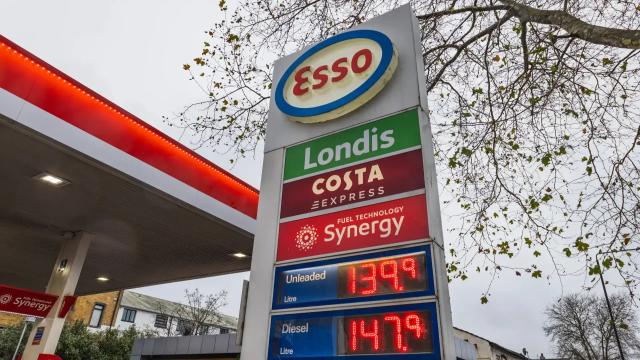
How to Read a Petrol Station Price Board: the Display Tricks That Make Fuel Look Cheaper Than It Is
A UK forecourt price board takes about five seconds to read correctly, but there are three things most drivers scan past that make that reading wrong more often than it should be.

PetrolSavings Editorial
Editorial Team
Explore fuel savings tools
Use calculators and local price searches to plan smarter journeys.
We check for new prices every 5 minutes. Every price shows when it last changed, so check that before comparing deals.