
Why Rural Petrol Costs More and the Tactics That Help Close the Gap
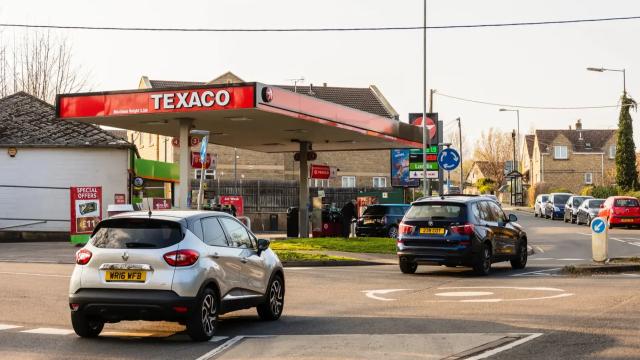
If your nearest forecourt is also your only forecourt, you already know the price is higher. What is less obvious is why.

Topic
Explore editorial coverage, price updates, and practical tips focused on Fuel Economy.
A 2-mile school run costs more per mile in fuel than a 20-mile motorway run in the same car. The reason is mechanical: every time you start a cold engine, it runs on a richer fuel...

If your nearest forecourt is also your only forecourt, you already know the price is higher. What is less obvious is why.

Servicing a car costs real money upfront. With fuel prices still high, it’s fair to ask whether keeping up with oil changes, tyre pressures and filters actually saves enough fuel t...

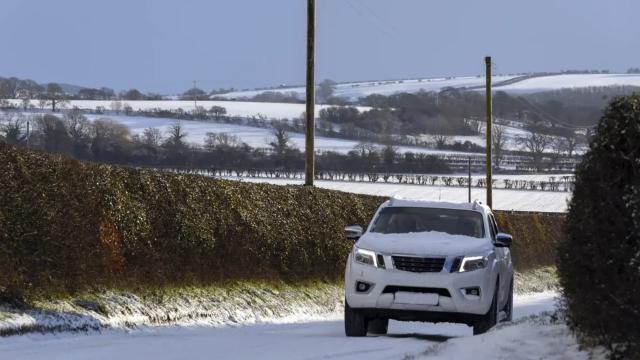
Your car uses more fuel in winter. Some of that is unavoidable because cold engines run richer, cold air is denser, and more electrical systems are in use.

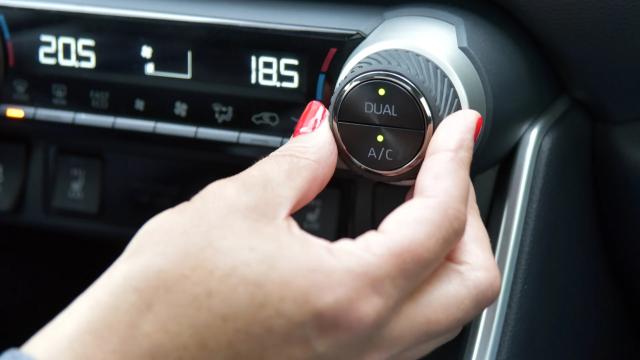
Both arguments are right, but in different conditions. Air conditioning places a mechanical load on the engine via the compressor, which costs fuel. Open windows create aerodynamic...

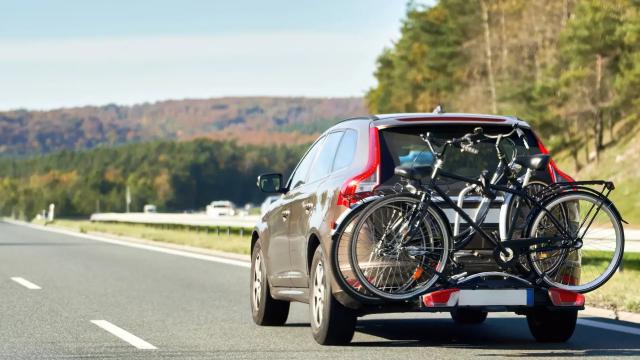
A roof box or bike carrier increases aerodynamic drag, and drag costs more fuel per mile as speed rises, not in simple proportion, but disproportionately. At 70 mph the engine work...

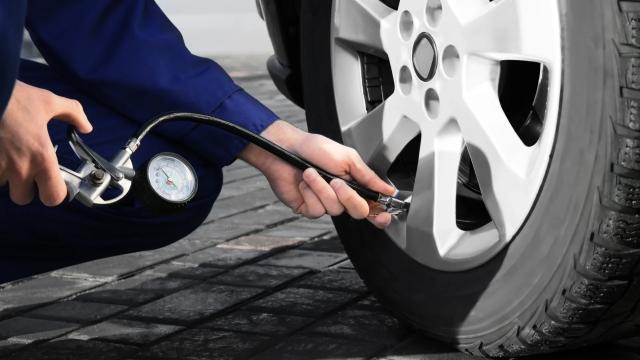
Underinflated tyres increase rolling resistance and raise fuel consumption. That part is well known.

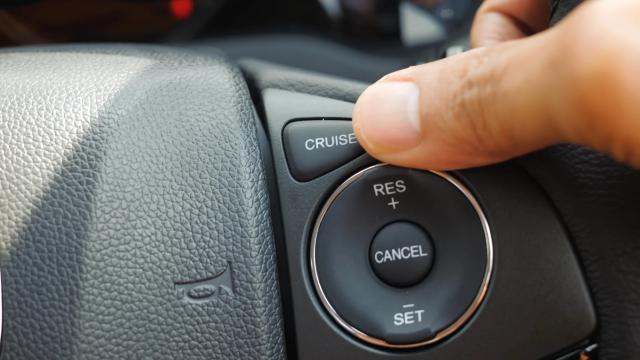
Cruise control saves fuel on a flat, clear motorway. On a hilly A-road, in moving traffic, or into a headwind, the same system can quietly use more fuel than driving manually.

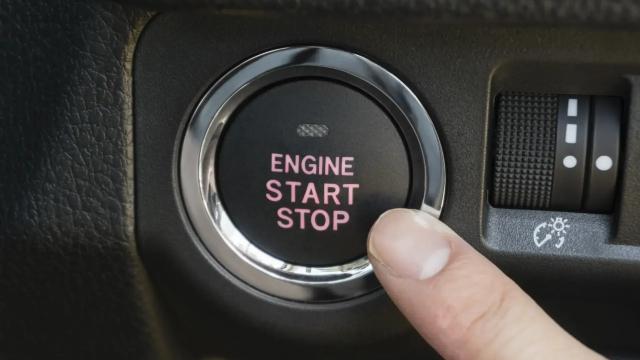
Switching off a warm engine in a stationary queue does save fuel. How much you save, and whether you should do it manually or let the car handle it, depends on what you are driving...

The nearest petrol station and the cheapest one within a reasonable distance are rarely the same place. Whether the difference is worth a detour comes down to two numbers: how much...

The short answer is yes: driving at 60 mph on a motorway uses less fuel than driving at 70 mph. The physics behind this is settled and unambiguous.

The single biggest change you can make to your fuel spend has nothing to do with how you accelerate, brake or cruise. It is where you fill up. The price gap between the cheapest an...